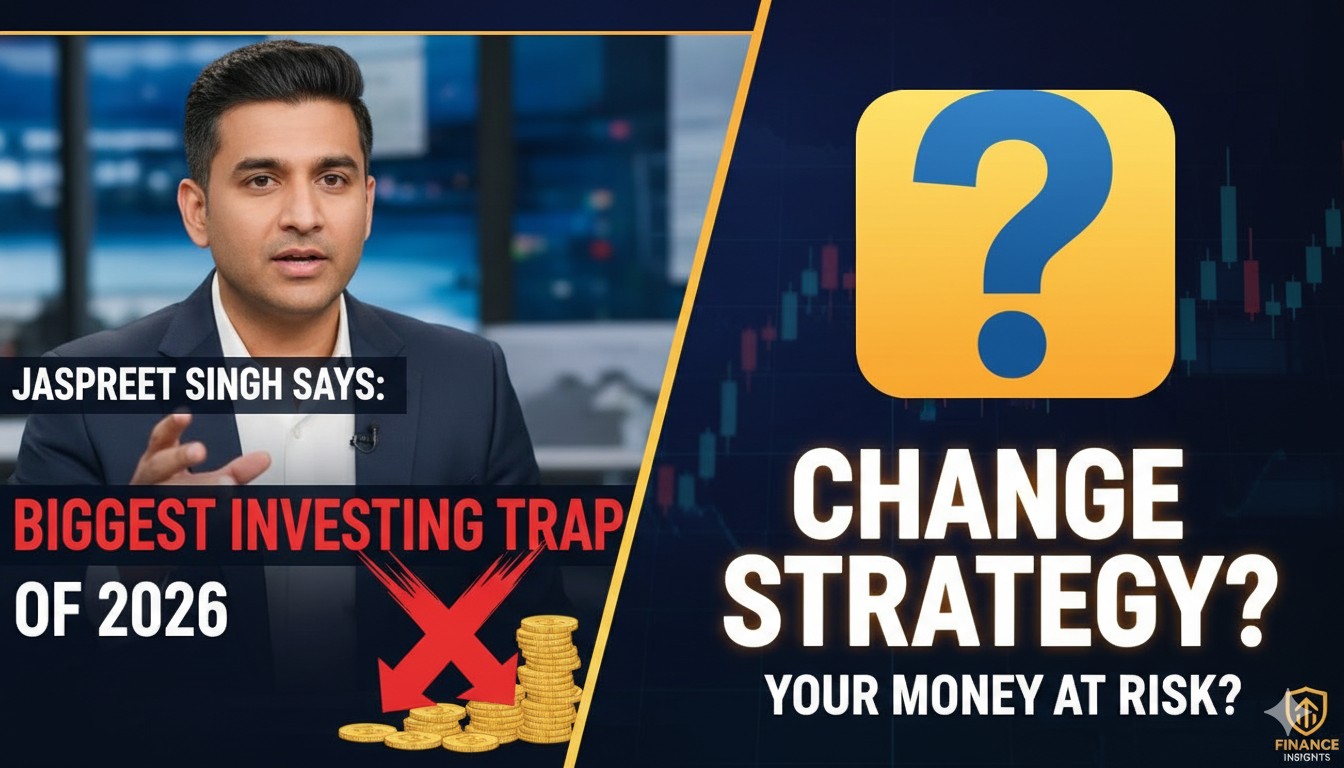
**_ Jaspreet Singh warns that the single biggest investing trap in 2026 is allowing hype, short-term predictions, and momentum-chasing to drive decisions—particularly jumping into trends like the next Bitcoin or AI darling after the major gains have already occurred. With economic shifts creating heightened volatility, this emotional approach often leads to buying high and selling low, while a disciplined, long-term strategy focused on compounding and understanding fundamentals offers a more reliable path to wealth building. _**
The Biggest Investing Trap of 2026: Chasing Hype Over Discipline
Jaspreet Singh, known for his emphasis on financial mindset shifts, has pinpointed one dominant mistake that could derail portfolios this year: letting the noise of short-term predictions and trending assets dictate investment choices. In a landscape where markets are already at elevated levels—S&P 500 hovering near 6,939, Bitcoin trading around $82,700, Nvidia shares in the low $190s, and gold surpassing $5,000 per ounce—the temptation to chase the next big narrative is stronger than ever.
Singh stresses that successful investing rarely comes from timing the latest wave. By the time an asset like Bitcoin or an AI-related stock hits mainstream headlines and social feeds, institutional players and early adopters have often captured the bulk of the upside. Retail investors then pile in at inflated valuations, only to face sharp corrections when sentiment shifts. This pattern repeats because human psychology favors greed during upswings and fear during pullbacks, leading to poor entry and exit points.
The year 2026 brings unique factors amplifying this risk. The Federal Reserve has shifted from quantitative tightening to resuming balance sheet expansion, injecting liquidity that can fuel rapid rallies but also sudden reversals. Geopolitical tensions, including U.S.-China trade frictions and supply chain realignments, add unpredictability to commodities and tech sectors. A new Fed leadership transition expected mid-year, combined with ongoing AI adoption, creates fertile ground for narrative-driven moves. Yet Singh argues these developments should not prompt reactive trading; instead, they underscore the need for a steady framework.
He contrasts this trap with proven approaches. Warren Buffett’s track record—averaging roughly 20% annualized returns over decades—stems from buying quality assets at reasonable prices and holding through volatility, letting compounding do the work. Historical data supports this: the S&P 500 has delivered average annual returns around 10% over long periods, including dividends, despite multiple crashes and corrections. Those who stay invested through full cycles capture these gains, while frequent traders chasing momentum often underperform due to transaction costs, taxes, and mistimed moves.
Singh outlines a practical “two-framework” system to counter the trap. First, keep a portion of capital actively working in diversified, understood investments during uptrends—allowing compounding to build steadily. Second, maintain dry powder (cash or liquid reserves) to deploy opportunistically during downturns, when quality assets trade at discounts. This approach turns volatility into an ally rather than an enemy, enabling purchases at lower prices without emotional overcommitment.
Key considerations include personal risk assessment: never invest money needed in the near term, and avoid assets not thoroughly understood. Singh repeatedly cautions against over-leveraging or speculating with borrowed funds, as amplified losses can wipe out years of progress. He also highlights the danger of confirmation bias—seeking only information that supports a bullish or bearish view—urging investors to focus on fundamentals like earnings growth, cash flow, and competitive positioning over daily price action.
Why This Trap Hits Harder in 2026
Economic backdrop:
Liquidity surge from Fed policy shifts supports risk assets but risks inflating bubbles.
Trade policy uncertainties disrupt supply chains, impacting sectors from semiconductors to commodities.
AI infrastructure buildout drives select stock rallies but creates concentration risks in mega-cap tech.
Persistent inflation pressures favor real assets like gold and real estate, yet rapid sentiment changes can trigger sharp reversals.
Singh points out that markets trend upward over decades but experience significant drawdowns along the way—often 20-50% in severe cases. Those who panic-sell during declines or buy into euphoria miss the recovery. The antidote is discipline: automate contributions to broad index funds, rebalance periodically, and resist the urge to tinker based on headlines.
Practical Steps to Avoid the Trap
Define clear goals and time horizons—short-term speculation requires different tactics than long-term wealth building.
Build knowledge before committing capital—understand what drives an asset’s value.
Diversify across asset classes to mitigate single-trend exposure.
Implement rules-based investing—set allocation targets and stick to them.
Prepare psychologically for volatility—view downturns as potential buying opportunities rather than threats.
By shifting from prediction-based trading to a process-oriented mindset, investors can sidestep the emotional pitfalls that ensnare most participants. Singh’s core message is straightforward: markets reward patience and understanding far more than clever timing or trend-following.
Disclaimer This article is for informational and educational purposes only. It does not constitute investment advice, recommendations, or solicitation to buy or sell any securities. All investing carries risk, including the potential loss of principal. Past performance is not indicative of future results. Readers should conduct their own research and consult qualified financial professionals before making decisions.